
Waste is no longer an invisible problem that exists somewhere far from our daily lives. It sits in our homes, our streets, our oceans, and increasingly, in our collective conscience. Every product we use leaves a footprint, and every discarded item tells a story about how society values resources. In this complex reality, recycling has become both a responsibility and a challenge. Traditional systems struggle under the pressure of modern consumption, and people are losing faith in processes that feel inefficient or outdated.
This is where MataRecycler emerges—not as a vague promise, but as a meaningful response to a very real global issue. MataRecycler represents a smarter, more thoughtful approach to recycling that aligns technology with environmental responsibility and human behavior. It is not just about machines or systems; it is about reshaping how we see waste and what we choose to do with it. This article explores MataRecycler in depth, uncovering how it works, why it matters, and what it means for the future of sustainability.
Understanding the Modern Waste Problem Beyond the Surface
The scale of global waste generation is staggering, but the true problem runs deeper than volume alone. Waste today is more complex than ever before. Products are made from mixed materials, layered plastics, bonded metals, and composites that were never designed with recycling in mind. As a result, recycling facilities face streams of waste that are difficult to separate and costly to process.
Contamination is one of the most persistent issues. When non-recyclable materials mix with recyclables, entire batches can lose their value. This leads to higher rejection rates, increased landfill use, and public frustration when people feel their efforts do not matter. Meanwhile, labor shortages and rising operational costs place additional strain on recycling infrastructure.
MataRecycler addresses these realities by acknowledging that recycling is not just a technical challenge but a systemic one. It recognizes that efficiency, education, and adaptability must work together. Rather than forcing old systems to cope with new problems, MataRecycler introduces a smarter framework designed for the complexity of modern waste.
What Makes MataRecycler Different From Traditional Recycling Systems
At a glance, recycling systems may appear similar—conveyor belts, sorting stations, and processing units. However, MataRecycler operates on a fundamentally different philosophy. Traditional systems often rely heavily on manual sorting and rigid workflows. MataRecycler, by contrast, prioritizes intelligence, flexibility, and continuous improvement.
The key difference lies in how decisions are made. Instead of static rules, MataRecycler systems respond dynamically to the materials they process. They are designed to learn from patterns, adapt to changing waste streams, and improve performance over time. This approach reduces reliance on guesswork and increases consistency across operations.
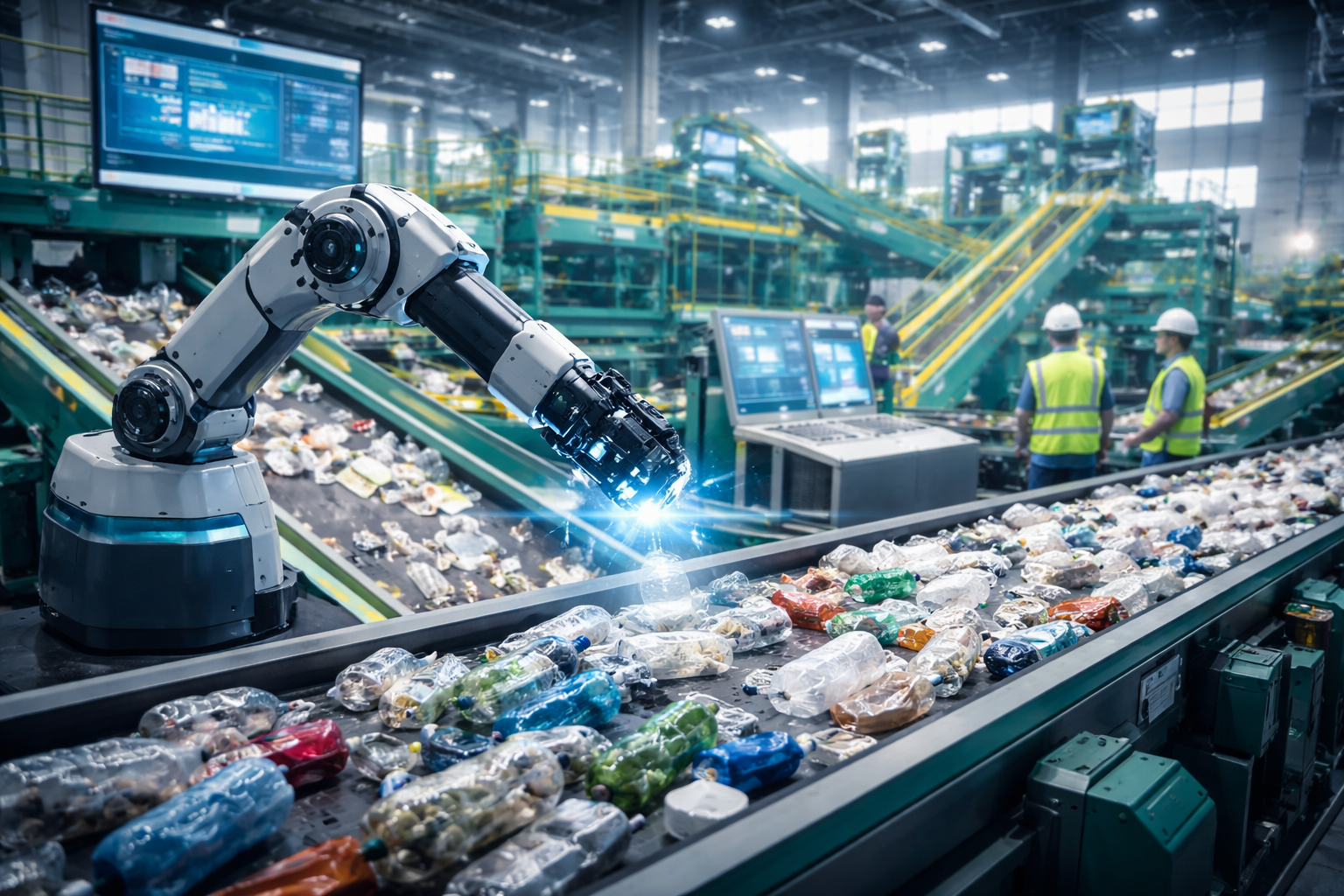
Equally important is the human element. MataRecycler does not remove people from the process; it supports them. By reducing repetitive and hazardous tasks, it allows workers to focus on oversight, maintenance, and optimization. The result is a system that respects both efficiency and human well-being.
The Role of Smart Technology in MataRecycler
Technology is the engine that powers MataRecycler, but it is applied with intention rather than excess. Smart sensors, automated sorting mechanisms, and data-driven controls work together to identify and separate materials with precision. These tools reduce error rates and improve the purity of recovered materials.
Data collection plays a central role. Every movement of material generates insights that help operators understand performance trends. Over time, this data supports better planning, predictive maintenance, and process optimization. Facilities become more resilient because they can anticipate issues before they disrupt operations.
Importantly, MataRecycler treats technology as a tool, not a replacement for accountability. Systems are designed to be transparent and interpretable, ensuring that human decision-makers remain informed and in control. This balance between automation and oversight is essential for trust and long-term success.
Environmental Benefits That Go Beyond Recycling Rates
The environmental impact of MataRecycler extends far beyond higher recycling percentages. When materials are recovered efficiently, the demand for raw resource extraction decreases. This reduces habitat destruction, energy use, and water consumption associated with mining and manufacturing.
Landfill diversion is another major benefit. By keeping materials in circulation, MataRecycler helps reduce the volume of waste that ends up buried or burned. This directly lowers methane emissions and air pollution, contributing to improved environmental and public health outcomes.
There is also a long-term ecological benefit in mindset. When recycling systems are reliable and effective, people are more likely to engage with them. This creates a culture of responsibility where waste reduction and proper disposal become shared values rather than individual burdens.
Economic Value Creation Through Smarter Recycling
Sustainability and profitability are often framed as opposing goals, but MataRecycler demonstrates that they can reinforce each other. High-quality recycled materials have real market value, and smart sorting systems help preserve that value by reducing contamination.
Operational efficiency translates into measurable savings. Automated processes reduce labor-intensive bottlenecks, while data-driven maintenance lowers downtime and repair costs. Over time, these efficiencies improve financial stability for recycling facilities and municipalities alike.
The economic impact also reaches local communities. Reliable recycling infrastructure supports green jobs, attracts investment, and reduces the long-term costs associated with environmental damage. MataRecycler shows that responsible waste management can be an engine for economic resilience rather than a financial burden.
Supporting the Circular Economy Through Design and Recovery
The circular economy depends on one fundamental principle: materials should never become waste. MataRecycler aligns perfectly with this vision by ensuring that materials are recovered in a form that allows them to re-enter production cycles.
By closing the loop between disposal and manufacturing, MataRecycler reduces dependence on virgin resources. This not only conserves natural ecosystems but also stabilizes supply chains in a world where resource availability is increasingly uncertain.
The influence extends upstream as well. When manufacturers know that recycling systems can handle complex materials, they are more likely to design products with recovery in mind. In this way, MataRecycler contributes to systemic change across industries, not just at the end of the product lifecycle.
Social Impact: Building Trust, Safety, and Participation
Recycling systems succeed when people believe in them. MataRecycler recognizes the importance of transparency and communication. By providing clear feedback on recycling outcomes, it helps rebuild public trust in waste management processes.
Worker safety is another critical social consideration. Recycling facilities can expose workers to physical hazards and health risks. MataRecycler reduces these risks by automating dangerous tasks and improving facility design. This leads to safer workplaces and higher job satisfaction.
Community engagement also benefits. When people see tangible results from their recycling efforts, participation increases. MataRecycler supports this positive feedback loop, turning individual actions into collective progress.
Realistic Challenges and the Path Forward
No system, however advanced, operates without challenges. Implementing MataRecycler requires upfront investment, technical expertise, and organizational commitment. Smaller regions may face financial or logistical barriers that slow adoption.
There is also the reality of behavioral change. Technology can improve sorting, but it cannot fully compensate for widespread misuse or contamination. Education, policy support, and community engagement remain essential components of success.
Acknowledging these challenges does not weaken the case for MataRecycler; it strengthens it. By addressing limitations openly, stakeholders can plan realistically and build systems that endure rather than fail under pressure.
The Future Vision of MataRecycler and Smart Recycling
Looking ahead, MataRecycler represents a blueprint for the future of waste management. As cities become smarter and environmental regulations more stringent, intelligent recycling systems will become essential infrastructure.
Future iterations may integrate more deeply with urban planning, logistics networks, and manufacturing data. Recycling facilities could become hubs of resource intelligence, guiding decisions across entire supply chains.
MataRecycler is not a final destination; it is an evolving platform. Its strength lies in adaptability, ensuring that recycling systems remain effective as materials, technologies, and societal expectations change.
Conclusion
The challenge of waste is ultimately a challenge of values. How society chooses to manage its leftovers reflects how it values the future. MataRecycler offers more than technical improvement—it offers a shift in perspective. By combining smart technology, environmental responsibility, and human-centered design, it redefines what recycling can be.
In a world facing environmental uncertainty, solutions like MataRecycler provide clarity and direction. They show that sustainability does not require sacrifice alone but can be built through intelligence, collaboration, and foresight. As recycling evolves from a basic utility into a strategic system, MataRecycler stands as a powerful example of how thoughtful innovation can turn one of humanity’s greatest challenges into an opportunity for lasting progress.
Read also: Tallulah Lloyd: A Deep, Authentic Exploration of Identity, Influence, and Becoming